

Struggling to navigate challenges relating to neurodivergence, disability, relationships, emotional or physical health?
Real support for real life — psychology and occupational therapy that meets you where you are. Consultations are available in-person at our Kenmore clinic or via telehealth nationwide.
A different way of working
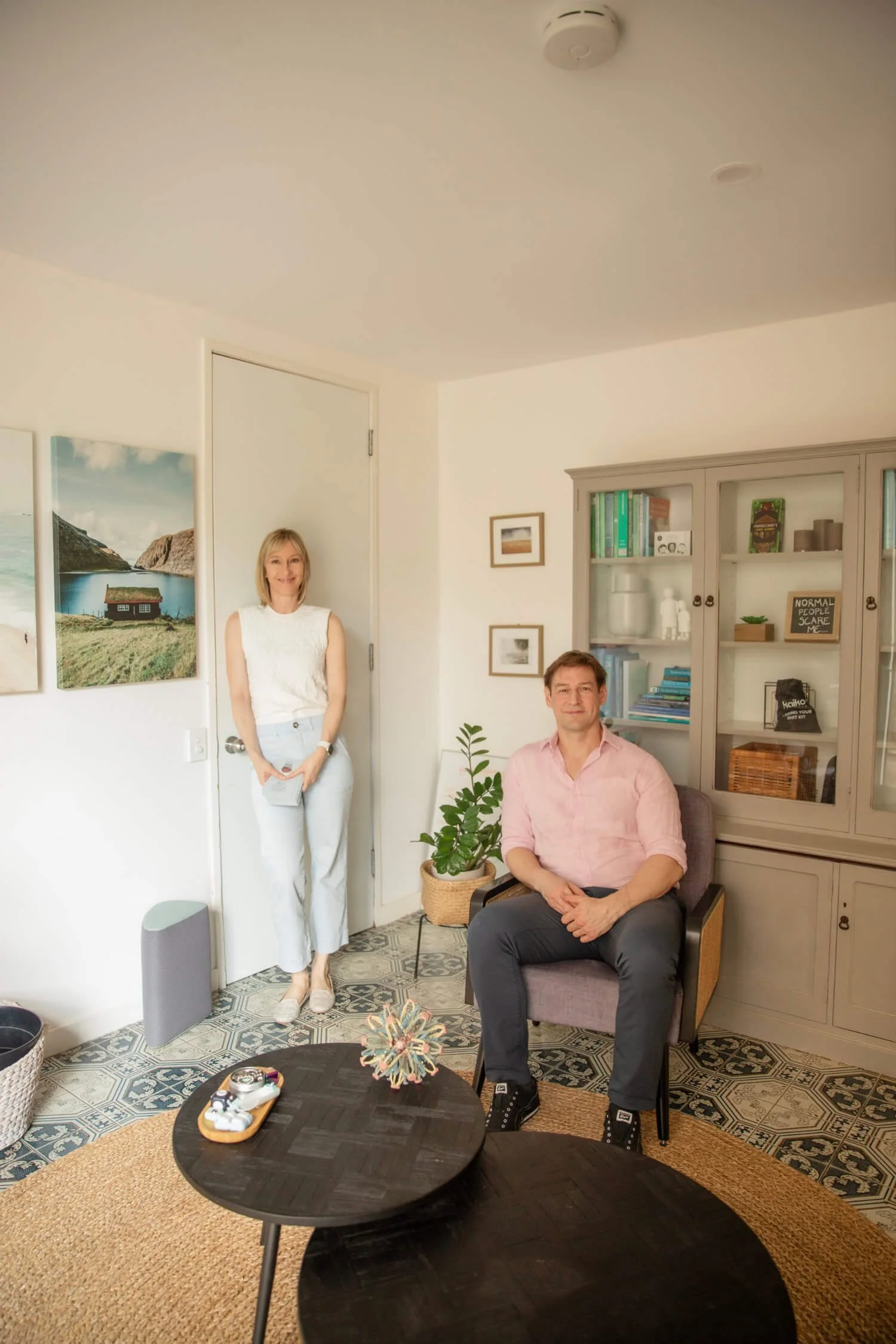
Revival Health is led by experienced clinicians, Dr Matthew Evans, Clinical Psychologist, and Natalie Evans, Occupational Therapist, who work to support people with complex, overlapping needs.
We are a small, specialist practice offering neurodiversity-affirming, collaborative support. Rather than applying one-size-fits-all solutions, we focus on understanding how your brain, body, environment and life demands interact, so support can be tailored to what actually works for you.
Our work is informed not only by clinical training, but also by our lived experience of neurodivergence and complex family life. This perspective shapes how we approach care, communication and the systems that many of our clients navigate every day.
How we can support you
Our practice offers both Occupational Therapy and Psychology services, via telehealth Australia wide, or in person at a clinic in Brisbane. Clients can access a single service, move between services or work with both, depending on what is most helpful at different stages. With your permission, our psychologist and occupational therapist are happy to discuss your care and ensure that it consistent and co-ordinated.

-
Teens and adults
Parents or carers of school aged children (OT)
Neurodivergence – Autism, ADHD, Intellectual Disability , Gifted. Learning Difficulties,
Chronic Health Conditions
Relationships
Disability
Individuals accessing services under Medicare’s Better Access to Mental Health Scheme (for both psychology and occupational therapy)
NDIS participants
DVA, private health, BUPA ADF
-
Many of the people we support experience overlapping challenges — for example, neurodivergence alongside mental health distress, or persistent physical health conditions affecting emotional wellbeing, relationships, and daily functioning.
Having Occupational Therapy and Psychology within the same practice allows for:
a more consistent therapeutic approach – reducing the risk of conflicting therapy goals and approaches
the ability to address complex needs from multiple angles
interdisciplinary consultation results in better outcomes for our clients
coordinated support when clients move between services
care that considers both practical functioning and emotional wellbeing.
This doesn’t mean everyone needs both services — but it means the option is there when it’s helpful.
-
Item description
-
Dr Matthew Evans
Psychologist
People have always opened up to me and I connect with people from a broad range of backgrounds, so becoming a psychologist seemed like a natural extension of these connections. My interest in health grew first with my doctorate, where my research focused on the ways patients adjusted to spinal cord injury, and later when I worked in a hospital and saw the huge, unmet psychological needs of patients who were navigating the health system. I trained as a relationships therapist as I soon recognised how fundamental close relationships and social supports are for people and how individual therapy is not the optimum way to support these relationships.
Just as Natalie has used her lived experience to inform her occupational therapy practice, mine too is enhanced by my first-hand experiences of neurodivergence and of parenting three neurodivergent children, now teenagers and adults. As with Natalie, my lived experience, combined with my professional background, means I have a great deal to offer other families and individuals.
Working with neurodivergent people has felt like a natural calling for me, and I find I intuitively “get” my neurodivergent clients in a way that makes them feel deeply understood and therefore better able to navigate their own challenges. I also have a special interest in supporting people with persistent health conditions such as diabetes and gastro-intestinal illness. These areas, together with my expertise in relationship counselling make for a busy and fulfilling career.
Natalie Evans
Occupational Therapist
I chose occupational therapy because it blends creativity and science, with a strong focus on practical outcomes and making a meaningful difference in people’s lives. Early on in my career worked in acute hospital settings, supporting people with new spinal cord injuries, brain injuries, strokes, and other complex conditions, then in rehabilitation, where I valued the longer-term relationships involved in supporting patients through their recovery. I worked as an occupational therapist in both Australia and England, drawn to roles that enabled me to help people adjust to, and make sense of, significant life changes. I then moved into more senior, leadership and strategic roles aligned with my skills and strengths.
While raising our young family and working as a community OT, I further developed my skills in the mental health space while continuing to work with people with physical conditions. I gained lived experience while parenting three neurodivergent children and navigating complex disability, which revealed a new and deeply personal area of interest. This led me to seek roles supporting the autism community, both in private practice and through funded occupational therapy.
My children are now teenagers and adults, and through them I have gained extensive experience navigating education systems, health and medical services, therapies, and the NDIS. This lived experience, combined with my professional background, means I have a great deal to offer other families and individuals. I saw firsthand how my occupational therapy skills supported our own family, and I wanted to extend this support to others. Along the way, I developed a strong commitment to working with people who are marginalised and subject to discrimination. Having lived these challenges personally, I have intentionally focused on building my knowledge and skills around supporting people with disabilities to create meaningful and fulfilling lives, and I value the opportunity to share this learning, experience, and practical resources with my clients.





Psychology
Dr Matthew Evans provides thoughtful, adaptive therapy for neurodivergence, persistent health conditions, emotional wellbeing and relationships.
Matt helps people make sense of their experiences, reduce distress, and build ways of living that support both physical health, emotional wellbeing and social connections.
Occupational Therapy
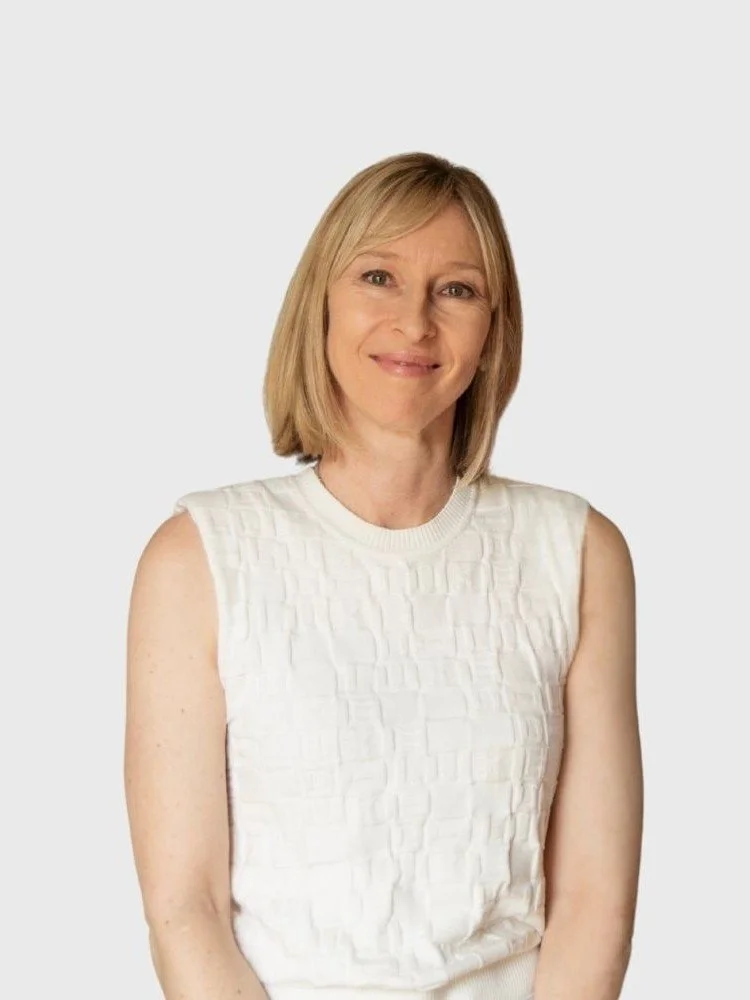
Natalie Evans provides practical, strengths-based support to improve daily functioning, capacity participation and quality of life — at home, work, school and in the community.
This may include capacity building, executive functioning support, mental health support, daily living skills, parent coaching, and NDIS-related assessments and reports.
Not sure where to start?
If you’re unsure whether Occupational Therapy, Psychology, or a combined approach is the best fit, you don’t need to work that out alone.
We’re happy to help you decide what support might be most useful right now.